8 Keys to Transform Your Emotional Hypersensitivity into a Superpower
Emotional hypersensitivity isn't a weakness. It's a misunderstood gift in our society that values performance over depth. If you feel everything intensely, if others' emotions wash over you like waves, if the world sometimes seems too loud, too bright, too... everything, then this article is for you.
Today, learning how to manage emotional hypersensitivity in daily life has become essential. We live in a world saturated with information, contradictory energies, and collective thought-forms that influence us without our awareness. Highly sensitive people are like ultra-high-performance antennas: they pick up everything, but often haven't learned how to filter.
The good news? Your sensitivity can become your greatest strength. It allows you to perceive nuances others miss, create authentic connections, and bring unique depth to the world. You just need to learn to dance with this energy rather than fight against it.
1. Create Your Daily Energetic Bubble
The first key to how to manage emotional hypersensitivity in daily life involves establishing clear energetic boundaries. Imagine yourself surrounded by a golden light bubble that filters what enters and leaves your emotional space.
Start each day with 5 minutes of visualization. Sit comfortably, breathe deeply, and imagine this protective bubble around you. It allows love, joy, and positive energies to pass through, but naturally repels tension, anxiety, and others' toxic emotions.
This technique isn't self-suggestion—it's conscious energetic protection. Your intention creates reality. The more you practice, the more automatic this bubble becomes.
Real example: Marie, a hypersensitive graphic designer, felt drained after every team meeting. By visualizing her golden bubble before each meeting, she noticed she stayed centered even when colleagues were stressed. She still picks up emotions, but no longer absorbs them.
2. Master the Art of Emotional Decoding
When an emotional wave overwhelms you, stop and ask yourself this magical question: "Is this emotion mine?" Highly sensitive people often absorb their surroundings' emotional states without realizing it.
Develop the habit of body scanning. Close your eyes and scan your body from head to toe. Where is this emotion located? How does it manifest physically? If it seems to float above you or wrap around you from the outside, there's a strong chance it doesn't belong to you.
Once identified, thank this emotion for the message it carries, then consciously release it. Visualize it evaporating like smoke dissipating into the air.
Real example: Thomas suddenly feels deep sadness in the late afternoon. By scanning his body, he realizes this melancholy coincides with his mother's call—she's going through a difficult period. He acknowledges the emotion, welcomes it with compassion, then releases it through deep breathing.
3. Transform Your Emotions into Intuitive Intelligence
Your emotional hypersensitivity is a sophisticated radar. Instead of enduring it, learn to use it as an inner GPS to navigate your relationships and decisions.
Every emotion carries valuable information. Anxiety often signals that something doesn't align with your values. Anger reveals unrespected boundaries. Sadness indicates a need for connection or healing.
Keep an emotional journal for a week. Note your feelings and the situations that trigger them. You'll discover fascinating patterns that will help you manage emotional hypersensitivity in daily life with greater wisdom.
Real example: Sophie systematically feels heaviness in her chest before certain work meetings. By analyzing this signal, she realizes her intuition is alerting her to projects that don't align with her values. She begins subtly declining these assignments, and her career shifts toward greater authenticity.
4. Create Energetic Discharge Rituals
Like a sponge becomes saturated with water, your nervous system charges with emotions throughout the day. It's crucial to establish "emptying" rituals to avoid toxic accumulation.
Water is your number one ally. Take conscious showers while visualizing water carrying away all energies that don't belong to you. Swim if possible, or even place your hands under cold water while imagining it cleansing your energetic field.
Movement also releases emotional tension. Dance, walk in nature, do yoga, or even vigorously shake your entire body for 2 minutes. Your body naturally knows how to release if you give it permission.
Real example: After intense days, Julien developed a 10-minute ritual: he shakes his whole body like an animal shaking itself off, then takes a shower visualizing water carrying away the day's stress. He feels instantly regenerated and available for his family.
5. Develop Your Toxic Relationship Radar
Knowing how to manage emotional hypersensitivity in daily life inevitably involves the art of choosing your surroundings. Some people drain your energy, others nourish it.
Observe how you feel after spending time with someone. If you're exhausted, confused, or depressed for no apparent reason, that person might have vampiric energy. Conversely, certain people leave you light, inspired, and full of life.
Don't feel guilty about setting boundaries. Your emotional well-being is your responsibility, not others'. Gradually reduce time spent with toxic energies and increase it with nourishing souls.
Real example: Lisa loves her colleague Anna but systematically feels drained after their lunches. Anna constantly complains and unconsciously saps Lisa's energy. Lisa decides to limit these moments to once a month and prioritizes activities that don't encourage lamenting.
6. Master Conscious Emotional Breathing
Your breath is the bridge between your inner and outer worlds. It can either amplify your emotions or soothe them. Learning to breathe consciously radically transforms your relationship with hypersensitivity.
The 4-7-8 technique is particularly effective: inhale through your nose for 4 counts, hold for 7 counts, exhale through your mouth for 8 counts. This breathing activates your parasympathetic nervous system and naturally returns you to calm.
Also practice heart coherence breathing: 5 seconds inhaling, 5 seconds exhaling, for 5 minutes. This technique synchronizes your heart and brain, creating an optimal emotional balance state.
Real example: When Paul feels anger rising during a family conflict, he excuses himself for a few minutes and practices 4-7-8 breathing. He returns to the conversation with more perspective and often finds creative solutions to problems that seemed insurmountable.
7. Create Your Personal Sanctuary
Your physical environment directly influences your emotional state. Highly sensitive people need a space that restores them rather than overstimulates them.
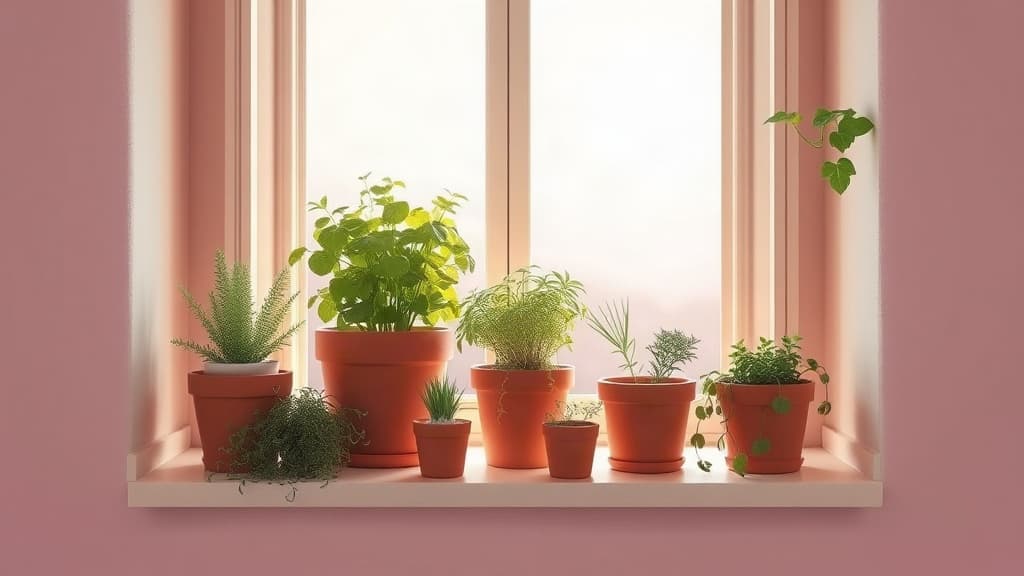
Design a corner of your home dedicated to your well-being: soft colors, dim lighting, soothing objects, green plants. This space becomes your refuge when the outside world becomes too intense.
Also reduce unnecessary sensory stimulation: lower the TV volume, reduce artificial lighting in the evening, use earplugs if necessary. Your nervous system will thank you.
Real example: Claire transformed a corner of her bedroom into a "zen zone" with a meditation cushion, candle, and plant. When she feels overwhelmed, she retreats there for 15 minutes. This space has become her emotional regeneration laboratory.
8. Transform Your Inner Dialogue
How you speak to yourself determines your experience of hypersensitivity. If you constantly criticize yourself for being "too sensitive," you create resistance that amplifies your suffering.
Replace "I'm too sensitive" with "I perceive energies finely." Transform "I can't handle this emotion" into "I welcome what I feel with kindness." This language change literally modifies your neurological reality.
Develop a friendly relationship with your emotions. They're not your enemies, but your inner guides. The more you welcome them with curiosity rather than judgment, the more they become your allies for managing emotional hypersensitivity in daily life.
Real example: When Maxime feels anxiety, instead of thinking "Here's that stupid worry again," he tells himself: "Thank you, anxiety, what do you want to tell me today?" This approach transforms his anxiety into valuable information about his deep needs.
Bonus: Become a Conscious Energetic Healer
Here's the secret few dare reveal: your hypersensitivity makes you a natural healer. Once you master your own energy, you can consciously elevate others'.
When someone around you suffers, instead of absorbing their pain, visualize yourself as a lighthouse radiating peace. Silently send them love without depleting yourself. This practice transforms your "handicap" into a precious gift for humanity.
You then become a conscious transformation agent. Your mere presence soothes, inspires, and elevates. This is where your hypersensitivity reveals its true nature: a superpower serving collective evolution.
Real example: During a tense family argument, instead of fleeing or absorbing anger, Emma breathes deeply and consciously radiates peace. Without saying anything, the atmosphere gradually calms. Her family doesn't understand what happened, but everyone leaves more serene.
Conclusion: Your Sensitivity, Your Superpower
Learning how to manage emotional hypersensitivity in daily life isn't a destination—it's a journey of permanent evolution. Each intense emotion becomes an opportunity to grow, each emotional challenge a chance to develop your inner wisdom.
You're not "too" sensitive. You're exactly as you should be to accomplish your unique mission in this world. Your sensitivity is your contribution to humanity's collective elevation.
Your challenge for the next 7 days: Choose one of the 8 keys presented and experiment with it daily. Observe subtle changes in your relationship with your emotions. Note your discoveries in a journal.
Happiness is now ◯
If these words resonate with you, join the Humans.team movement. Together we're creating a community where sensitivity is celebrated as a gift, where authenticity replaces performance, and where everyone can express their true nature. Discover how your hypersensitivity can become your greatest strength in service of a more conscious world.