How to Find Peace with Being Alone: Turning Your Solitude into a Space of Freedom
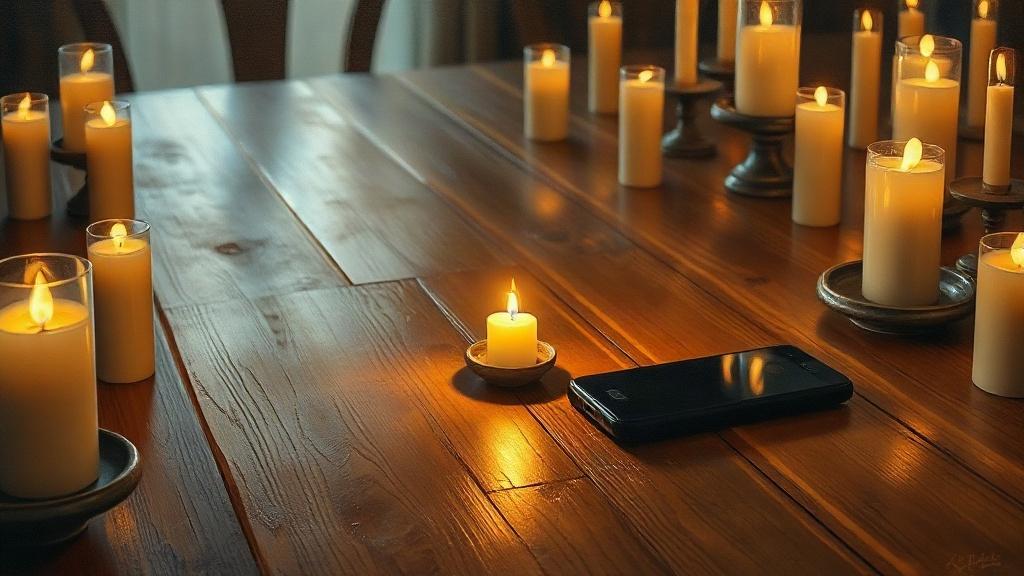
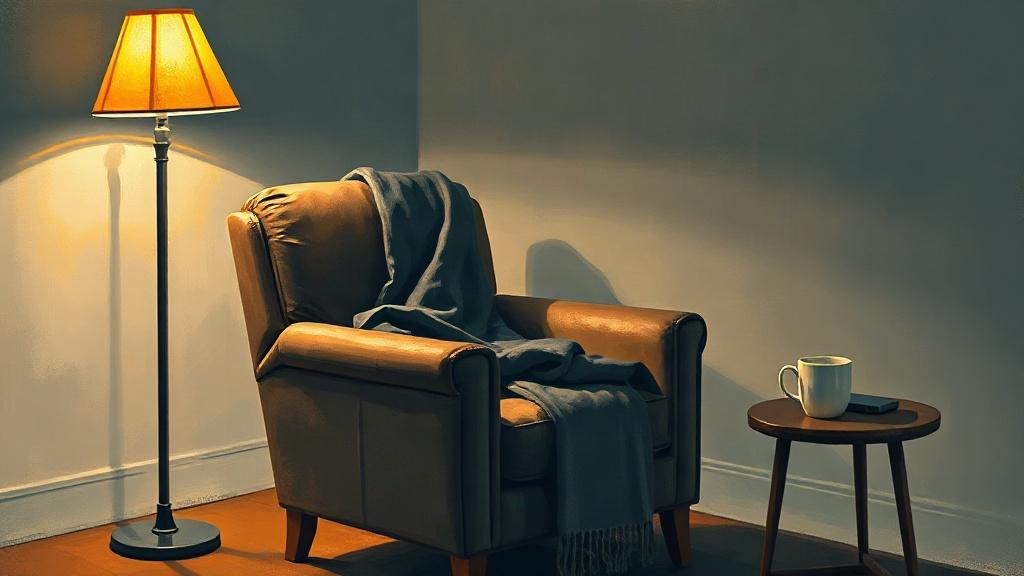
It's 9 p.m. Dinner is over, the dishes are put away, and silence settles over your apartment. Your phone sits on the table, quiet. No one is texting. No one is waiting for you.
And then something tightens in your chest.
Maybe you know this feeling. That moment when calm, instead of soothing you, becomes heavy. When you reach for your phone, a show, anything, just to avoid being alone with yourself.
If you're searching for how to find peace with being alone, know this first: there's nothing wrong with you. You're not "too sensitive" or "surrounded by the wrong people." You simply live in a society that has taught us to fear silence.
This article offers another path. Not one where you grit your teeth and tolerate solitude, but one where you gently transform it into a space of freedom. And maybe, someday soon, into a place where you feel good.
Understanding Solitude: What It Really Is (and What It Isn't)
Before looking for how to find peace with being alone, we need to separate two realities we constantly confuse.
Being Alone Is Not the Same as Feeling Lonely
Being alone is a fact: no one is physically with you. Feeling lonely is an emotion: that emptiness, that lack of connection, that sense of being cut off.
You can be alone and perfectly serene. And you can feel painfully isolated in the middle of a crowded party.
This distinction changes everything. It means your peace doesn't depend on how many people are around you. It depends on the relationship you have with yourself.
Why Silence Frightens Us
Our fear of solitude isn't entirely personal. We're immersed in what you might call egregores: collective energies, shared beliefs that shape us without our noticing.
One of these egregores says, "A successful life is a life surrounded by people." Another whispers, "If no one wants your time, you must not be worth much."
These ideas aren't truths. They're conditioning. And like any conditioning, you can see it, question it, and then free yourself from it.
What Silence Reveals
When everything stops, what was buried rises to the surface: the thoughts waiting in line, the undigested emotions, the questions you've been avoiding. It's uncomfortable, but it's also good news. It means you finally have room to be heard, by yourself.
Why Learning to Be Okay Alone Changes Your Whole Life
Knowing how to find peace with being alone isn't a luxury reserved for hermits or introverts. It's a fundamental skill. Here's why.
Your Relationships Become More Authentic
When you're afraid of being alone, you risk staying in relationships that don't nourish you, just to fill a void. You accept less than you deserve. You cling out of fear, not choice.
On the other hand, when you're at peace with yourself, you choose your connections freely. You don't need other people to feel whole. You want them in your life. That subtle shift transforms the quality of all your relationships.
You Stop Running from Your Own Mind
Many people who dread solitude actually dread the noise inside their own heads: the rumination, the self-criticism, the worst-case scenarios. If that sounds like you, this article can help you quiet a mind that never stops talking, because solitude becomes much gentler when the mind settles.
You Gain Clarity and Direction
Big decisions are rarely made in the middle of chaos. It's in moments of calm that you hear what you truly want, far from the expectations of your family, your coworkers, or social media.
Chosen solitude is time for clarity.
You Get Your Energy Back
Being constantly called on, connected, and stimulated is exhausting. Conscious solitude is a recharge: it lets you return to others full, rather than drained.
And above all, it reminds you of a simple truth: your worth doesn't depend on anyone's presence. It's right here, inside you, with every heartbeat. Each one is a small yes to life, even when the room is silent.
Practical Keys to Finding Peace in Solitude
Let's get practical. Here are five keys to how to find peace with being alone, in a way that's gradual and realistic.
1. Shift Your Perspective: From "Lack" to "Space"
It all starts with a nuance in your inner language. Replace "I'm alone" with "I have space."
This isn't a naive word game. When you interpret solitude as a lack, your body reacts as if facing danger. When you see it as space, it relaxes.
Try it tonight: the moment silence settles in, simply tell yourself: "This space is mine. What do I feel like doing with it?"
2. Ease into Silence in Small Doses
There's no need to force yourself into three hours of silent meditation. Start small:
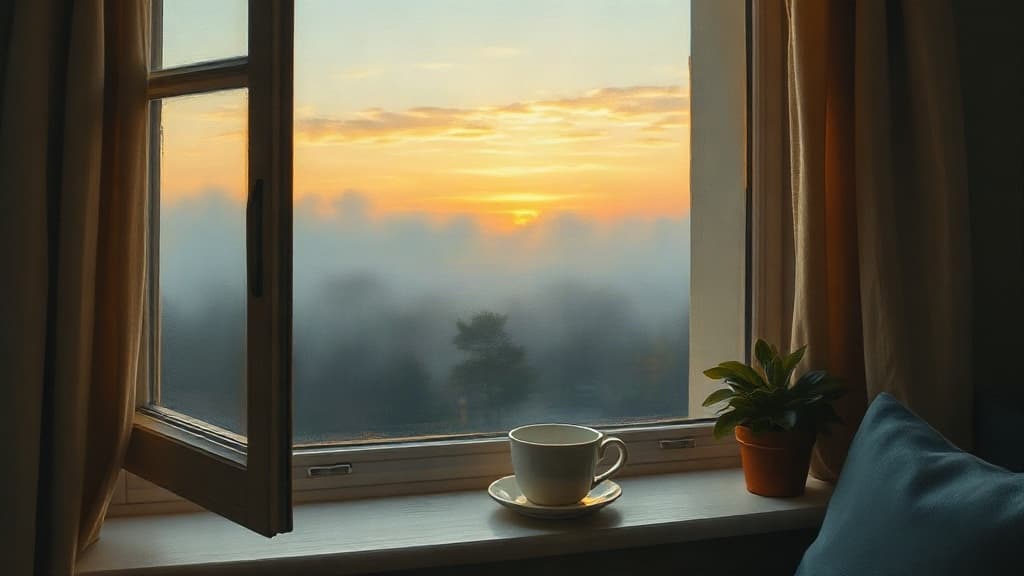
- 5 minutes without a screen, sitting by a window
- A morning coffee without your phone
- A walk without earbuds
The goal isn't to "succeed" at silence, but to get used to it. Like a muscle, your ability to stay present with yourself grows with repetition.
If you feel strong inner restlessness during these moments, you'll find some guidance in this article on inner noise and how to move through it.
3. Welcome Your Emotions Instead of Running from Them
When sadness or boredom surfaces in solitude, your reflex is probably to smother it: scrolling, snacking, working, calling someone.
Try something different: name the emotion and let it pass. "Right now, there's sadness." "Right now, there's boredom." Breathe. Notice where you feel it in your body.
An emotion you welcome lasts a few minutes. An emotion you run from follows you for hours. This simple practice is one of the most powerful keys to how to find peace with being alone.
4. Create Rituals of Chosen Solitude
Solitude that's imposed on you hurts. Solitude you choose nourishes. The difference often comes down to intention.
Invent rituals that bring you joy:
- A weekly "date with yourself": a stroll, a museum, dinner out on your own
- A creative moment: writing, drawing, cooking a dish you love
- An "obligation-free" evening where you do exactly what you feel like
When you treat your time alone as a gift rather than a void to be filled, your relationship with it transforms.
5. Cultivate a Presence Larger Than Yourself
Sometimes solitude weighs on us because we feel cut off from everything, not just other people. Yet there's a kind of connection that depends on no one: connection to life itself, to nature, to something bigger.
You don't need to be religious for this. If the idea intrigues you, you can explore how to feel spiritually connected without religion, a simple, dogma-free approach that profoundly changes how you experience your time alone.
Putting It into Practice: Your Exercise for Tonight
Ideas are great. Experience is better. Here's a 15-minute exercise to put how to find peace with being alone into practice, starting today.
The "Yes to Life" Exercise
Step 1: Prepare the space (2 minutes) Turn off your phone or put it out of reach. Sit comfortably. Light a candle or a soft lamp, if you feel like it.
Step 2: Settle into your body (3 minutes) Close your eyes. Place a hand over your heart. Feel it beating. Each beat is a small yes to life, and it keeps going without you having to do a thing.
Step 3: Observe without judging (5 minutes) Let whatever comes, come: thoughts, emotions, sensations. Don't try to change them. Simply tell yourself: "I'm here. And that's enough."
Step 4: Set an intention (3 minutes) Ask yourself: "What do I feel like doing right now?" A simple answer may arise: a cup of tea, a walk, writing a few lines, calling a friend out of desire rather than fear.
Step 5: Say thank you (2 minutes) Finish with a sincere thank-you to yourself for taking this time. It's an act of love, and you just made it.
For the Week Ahead
- Monday to Wednesday: 5 minutes of screen-free silence each day
- Thursday: your first "date with yourself"
- Friday to Sunday: repeat the "Yes to Life" exercise and notice what shifts
No perfection required. Every attempt counts.
Conclusion: Your Solitude Is a Starting Point, Not a Dead End
Learning how to find peace with being alone doesn't mean becoming indifferent to other people. It means no longer depending on them to feel alive. It means discovering that at the bottom of the silence, someone has been waiting for you for a long time: you.
And that someone is neither broken nor incomplete. They're already here, alive, with a heart that beats and says yes, again and again.
Maybe tonight the silence will still feel a little uncomfortable. That's normal. But every time you choose to stay present instead of running away, you turn this space a little more into a refuge. One day, you'll realize you're no longer waiting for the solitude to end. You simply live in it, gently.
So here's a question to carry with you through your day:
If you were no longer afraid of silence, what would you do with your next moment alone?
If this reflection resonates with you, you'll find more resources on humans.team to cultivate your presence, free yourself from collective conditioning, and live a more conscious life, without pressure, at your own pace.
Happiness is now ◯