Hypersensitivity: When Our Emotions Become Our Greatest Strength
5:30 PM, packed subway. That woman crying on the phone three seats away. That couple arguing in hushed tones near the exit. That palpable tension floating in the air-conditioned car. And there we are, right in the middle of it all, absorbing every emotion like a giant sponge.
Our heart races. Our throat tightens. We find ourselves overwhelmed by feelings that don't even belong to us.
Welcome to the daily reality of millions of highly sensitive people. This reality where how to manage emotional hypersensitivity in daily life becomes the central question of our existence.
But that evening, in that subway car, something different happened. Instead of fleeing this tide of emotions, we took a deep breath. And in that breath, we discovered that our hypersensitivity wasn't a curse to endure, but a gift to tame.
The Turning Point: When Hypersensitivity Becomes Our Ally
The revelation was both simple and earth-shattering: we are not passive sponges. We are ultra-sophisticated emotional sensors, gifted with an extraordinary ability to perceive the invisible nuances of the world around us.
This realization changes everything about how to manage emotional hypersensitivity in daily life. Because once we understand that we're not "too sensitive" but simply equipped with a more refined, more receptive nervous system, we can start using this sensitivity as a superpower rather than suffering it as a weakness.
Hypersensitivity is like having a sixth emotional sense. We pick up micro-expressions that others don't see. We feel atmospheres before they even manifest. We perceive the unspoken, underlying tensions, hidden joys.
The problem? For years, we've been taught to see this ability as a flaw. "You're too sensitive," "You need to toughen up," "Life isn't a fairy tale." These phrases, repeated endlessly, convinced us that our sensitivity was our enemy.
But what if it were exactly the opposite?
First Lesson: Distinguishing Our Emotions from Others'
The first step in how to manage emotional hypersensitivity in daily life is learning to sort things out. Imagine you're in a restaurant. You suddenly feel anxious. But does this anxiety come from you? Or from that couple at the nearby table going through a crisis?
The "emotional scan" exercise becomes our best friend. Several times a day, we stop and ask ourselves: "What I'm feeling right now, is it mine or does it come from elsewhere?"
At first, it's unsettling. We discover how much we absorb ambient emotions without even realizing it. That sadness that hits us for no reason? It might belong to our colleague who just heard bad news. That inexplicable irritation? It might emanate from that stressed person in the checkout line.
Once we master this distinction, everything changes. We can consciously choose not to carry emotions that don't belong to us. It's liberating beyond what we can imagine.
The "luminous shield" technique works particularly well. We visualize a bubble of golden light surrounding us. This bubble lets love and joy pass through, but filters negative emotions that don't belong to us. It may seem naive, but the effect is real and immediate.
Second Lesson: Creating Decompression Chambers
How to manage emotional hypersensitivity in daily life when living in a world that never stops? By creating breaks. Sacred moments where we can digest everything we've absorbed.
These decompression chambers don't need to be long. Five minutes in the bathroom to breathe deeply. A ten-minute walk at lunchtime. An evening bath with a few drops of lavender essential oil.
What matters is regularity. Like an athlete who stretches after exercise, we must stretch our nervous system after each "emotional marathon."
The shower becomes our best ally. Water flowing over our skin is like an energetic reset. We visualize all the day's emotions draining away with the water. We emerge clean, not just physically, but emotionally.
Highly sensitive people often need more sleep than average. This isn't laziness, it's maintenance. Our brain processes so much subtle information during the day that it needs more time to organize and clear everything out.
Accepting this need without guilt is already a big step toward a more serene daily life.
Third Lesson: Transforming Sensitivity into Intuition
Here's the secret few people know: how to manage emotional hypersensitivity in daily life by transforming it into pure intuition. This ability to feel others' emotions is actually an extraordinary gift of empathy.
In our relationships, this sensitivity becomes our emotional GPS. We intuitively know when someone needs to be heard. We perceive moments when we should stay quiet and those when we should speak. We sense compatible energies and those that drain us.
At work, this hypersensitivity gives us a unique advantage. We pick up team atmospheres before they deteriorate. We feel clients' unexpressed needs. We perceive opportunities where others see only emptiness.
The trick is learning to trust these perceptions. Too often, we tell ourselves "it's probably in my head" when our feelings are surgically precise.
Keeping a journal of our intuitions can be revealing. Note what we feel and check later if it was accurate. Most of the time, we discover we were right. This validation strengthens our confidence in our gift.
Fourth Lesson: Choosing Our Environments Consciously
How to manage emotional hypersensitivity in daily life also involves conscious environmental choices. We don't have to endure all spaces and all energies.
That evening with friends where the atmosphere becomes toxic? We can leave early without justifying ourselves. That store where the music assaults our ears? We can shop elsewhere. That person who drains our energy? We can limit contact.
This isn't avoidance, it's emotional hygiene. Just as we avoid foods that make us sick, we can avoid environments that destabilize us emotionally.
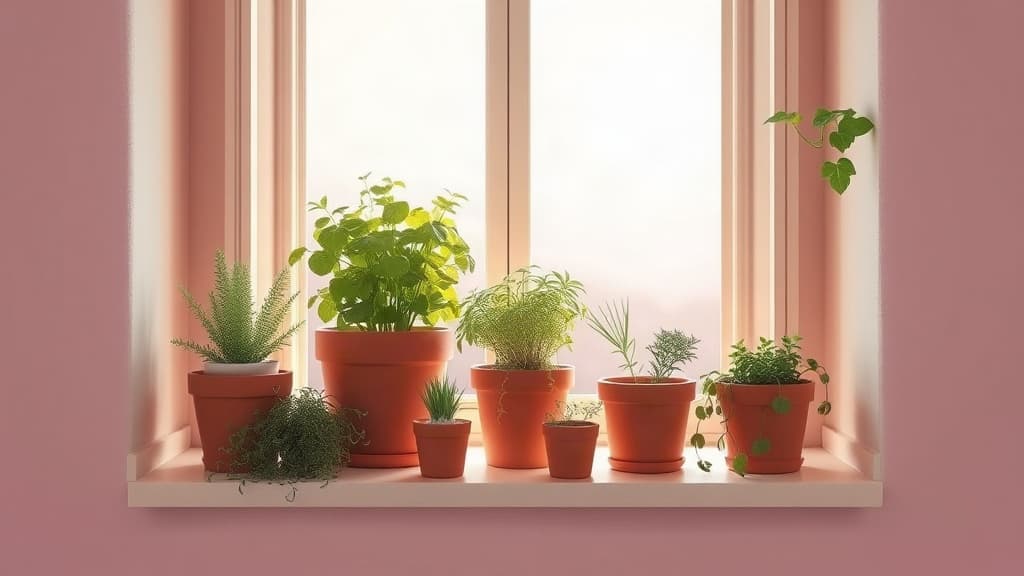
In our personal space, we can create a cocoon that nourishes our sensitivity rather than attacking it. Soft colors, soothing music, plants, textures pleasant to touch.
Lighting plays a huge role. The aggressive fluorescents of big stores can knock us out in twenty minutes. At home, we favor dimmed lights, candles, salt lamps.
The Transformation: Living Your Sensitivity Fully Starting Today
Now that we have these keys in hand, how do we apply them concretely? How do we make how to manage emotional hypersensitivity in daily life a natural practice rather than a permanent battle?
Morning: Start the day with five minutes of silence. No complicated meditation, just silence to calibrate our nervous system before facing the outside world.
In transit: Create a protective bubble with soft music or noise-canceling headphones. Avoid anxiety-inducing news in the morning.
At work: Take micro-breaks every two hours. Go outside to breathe, even for a minute. Keep a green plant on your desk to anchor soothing energies.
In social settings: Learn to say "I need a little break" without justifying yourself. Allow yourself to leave when you feel saturated, even if it's socially "incorrect."
Evening: Mandatory decompression ritual. Shower, herbal tea, reading, whatever. What matters is marking the transition between day and night.
The golden rule? Listen to your body and heart before social expectations. Our hypersensitivity always tells us the truth about what's good or bad for us. We just need to learn its language.
The Virtuous Circle of Embraced Hypersensitivity
Six months later, same subway, same rush hour. But this time, when that woman cries on the phone, we don't let ourselves be overwhelmed. We discreetly send her kindness, like a silent prayer, then refocus on our bubble of serenity.
This ability to manage emotional hypersensitivity in daily life has transformed into a precious gift. We've become emotional lighthouses for those around us. People naturally come to confide their sorrows and joys to us, attracted by this quality of presence that our sensitivity develops.
Our hypersensitivity, once experienced as a curse, has become our energetic signature. It allows us to create authentic connections, understand others' deep needs, bring gentleness to a sometimes brutal world.
We've learned to dance with our emotions like dancing with evening light. No one really watches us, but the entire universe sees us. And in this conscious dance with our sensitivity, we've found a unique form of happiness.
Happiness is now ◯
If this article resonates with your experience as a highly sensitive person, we'd love to connect with you. At Humans.team, we guide sensitive souls toward their full expression. Because your sensitivity isn't a flaw to correct, but a gift to celebrate.