Why Do I Feel Tired Even After a Good Night Sleep — And What It's Really Telling You
You wake up after 7, 8, sometimes 9 hours of sleep. And yet… you're exhausted.
Not just a little tired. Completely drained. As if your body hadn't moved, but something, somewhere, had been running at full speed all night long.
So you find yourself asking this question, almost embarrassed to admit it: why do I feel tired even after a good night sleep? What's wrong with me?
The short answer: nothing is "wrong" with you. But something important is happening that your body is trying to communicate. And that message deserves to be heard — not drowned out with a second cup of coffee.
This article is here to help you genuinely understand what's going on. Not to sell you a miracle solution. Just to give you an honest, clear-eyed look at what might really be happening.
Understanding Why Sleep Isn't Always Enough
Sleep handles physical recovery. But human beings are more than just physical bodies.
We tend to think that sleeping = recharging. That if we've clocked enough hours, everything should be fine. And yet millions of people live with exactly this paradox — why do I feel tired even after a good night sleep is one of the most searched questions on Google worldwide. You are not alone.
What sleep science tells us is that sleep quality depends on far more than duration. Sleep cycles, depth, environment, mental state before falling asleep — all of it plays a role.
But beyond the biology, there's a dimension that conventional medicine rarely addresses: emotional, mental, and energetic fatigue. These three forms of exhaustion can't be fixed with extra hours of sleep. They require something different entirely.
Understanding this is the first step toward no longer being at the mercy of that feeling — and starting to change it.
Why This Matters in Your Life (and Not Just as a Comfort Issue)
Chronic fatigue, even when sleep seems adequate, isn't a minor inconvenience. It colors your entire existence.
It affects your patience with the people you love. Your creativity at work. Your ability to feel joy, pleasure, enthusiasm. It slowly erodes your relationship with yourself.
And here's the trap: we eventually start to believe that this is just normal. That it's "adult life." That everyone is tired, so that's just how it is. We normalize something that is, in reality, a signal.
If you're wondering why do I feel tired even after a good night sleep, your body isn't complaining for nothing. It's speaking to you. It's telling you that something about the way you're living, thinking, feeling, or connecting with others deserves a closer look.
This is where a simple truth becomes powerful: "Stumbling doesn't mean falling. And falling doesn't mean staying down." Fatigue might be a stumble. Not a sentence. Not your identity. Just a signal asking you to get back up differently.
What if what your body is trying to tell you was actually an invitation to change something essential?
Practical Keys to Understanding and Taking Action
1. Sleep Quality Matters More Than Quantity
You can sleep 9 hours and still spend very little time in deep, restorative sleep.
Stress, alcohol, screens before bed, a room that's too warm, irregular sleep schedules — all of these fragment your sleep cycles. The result: you rack up hours, but not real rest.
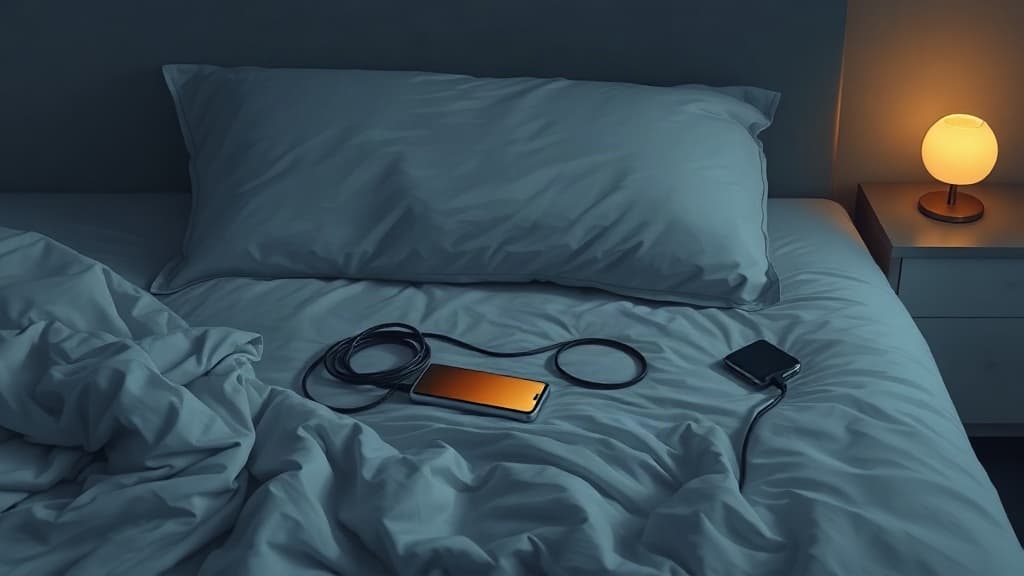
Take an honest look at your sleep environment. A cool, dark room with no screens in the hour before bed — these simple adjustments can radically transform the quality of your nights.
2. Mental Fatigue Doesn't Sleep Away
Our brains are constantly processing information, decisions, and worries. This is called "cognitive load." And it doesn't stop when you close your eyes.
If you go to bed with your mind racing — to-do lists, rumination, anxiety — your brain keeps running while your body is lying still. That's not rest. That's work disguised as sleep.
Simple practices like writing down your thoughts before bed, meditating for five minutes, or mentally setting your day aside can make a real difference.
3. Emotional Fatigue Is Real and Underestimated
This doesn't get talked about enough, but emotional exhaustion is probably the most widespread and least understood form of fatigue.
Managing strained relationships, playing a role that doesn't feel like yours, suppressing your emotions, navigating toxic environments, or simply never having time for yourself — all of this costs enormous energy. And no amount of sleep can restore that energy on its own.
If you feel drained after certain social interactions, it's often a sign that your fatigue goes beyond the physical. That's emotional exhaustion. And it deserves to be taken seriously.
4. Collective Energy Fields Drain You
This concept is less well known, but it sits at the heart of the Humans.team philosophy.
A collective energy field is a shared energy generated by a group: a company, a family, a culture, a social network. These energies influence us in ways we don't always notice. They push us to perform, compare, accelerate, consume.
Spending your day navigating high-pressure environments — constant notifications, perpetual urgency, fear of missing out — exhausts your nervous system. Your body responds to that chronic stress even while you sleep. This is one of the deepest answers to why do I feel tired even after a good night sleep.
Simply becoming aware of these influences is already the beginning of freeing yourself from them.
5. Your Body Needs to Be Nourished, Not Just Rested
Fatigue can also have very concrete physical causes: iron deficiency, low vitamin D, magnesium deficiency, low B12, hypothyroidism, chronic dehydration.
These imbalances are common, often silent, and can leave you wondering why do I feel tired even after a good night sleep when the answer is sitting in a routine blood test.
If this fatigue has been going on for a while, getting a basic medical check-up is an act of self-respect. Not weakness. Wisdom.
Immediate Practical Steps — What You Can Do Today
You don't need to change everything at once. You just need to start.
Tonight, before bed: Take 10 minutes to write down on paper everything that's spinning around in your head. Not to solve anything — just to set it down. Your brain will finally be able to let go.
Tomorrow morning, when you wake up: Before looking at your phone, take 3 slow, deep breaths. Ask yourself honestly: how do I actually feel? Not what you have to do — how you are.
This week: Identify one source of emotional fatigue in your life. A relationship, a habit, an obligation you're carrying without ever asking whether it truly belongs to you. Just naming it is already a step toward freedom.
Over time: Explore ways to feel truly rested when sleep isn't enough — because genuine rest is an art that goes far beyond bedtime.
And above all: stop judging yourself for this fatigue. It isn't proof of your weakness. It's a signal from your inner intelligence, trying to guide you.
Conclusion — You Deserve More Than Just "Getting Through It"
If you've read this far while asking yourself why do I feel tired even after a good night sleep, it's because something in you is looking for a deeper answer than "just sleep more."
And you're right to keep looking.
Chronic fatigue despite adequate sleep is one of the clearest signs that modern humans are living out of alignment with themselves. We've learned to optimize our performance, our schedules, our bodies — but we've forgotten to listen to what, deep within us, simply wants to be.
Stumbling doesn't mean falling. And if you fall, it doesn't mean you have to stay down.
The real question isn't "why am I tired?" but "where do I want to go from here?" Because happiness, vitality, energy — none of that is waiting for you "someday when you feel better." It's available right now, in the small choices you make every day.
What about you — which form of fatigue is hardest for you to acknowledge? The physical, the mental, or the emotional?
If these questions resonate with you, Humans.team is a space to explore all of this — not to hand you ready-made answers, but to walk together toward a life that truly reflects who you are.
Happiness is now ◯